


Saturday, Sep 27, 2025
Des Moines, IA
Set List

Highlights
By Adam Lucas
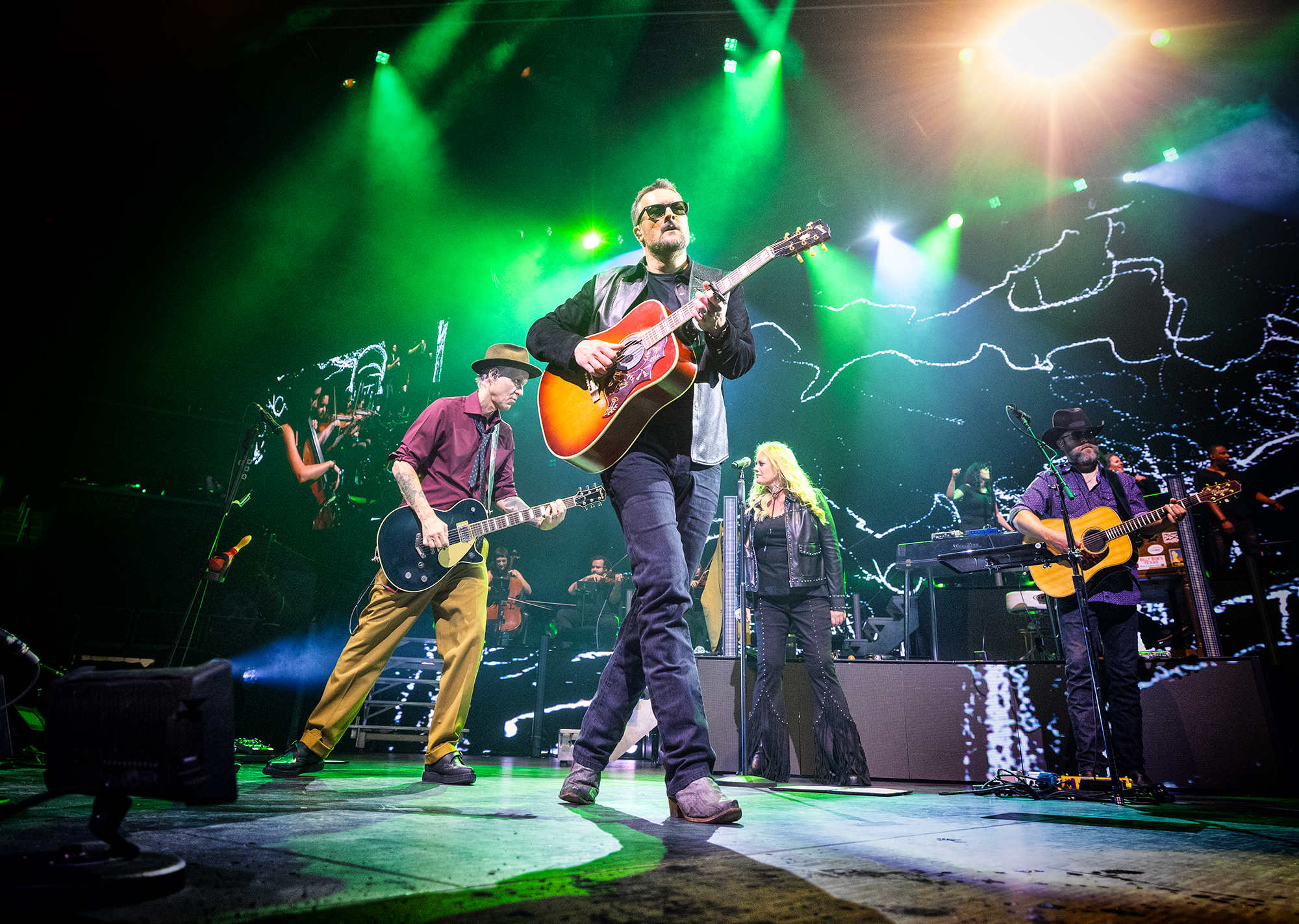
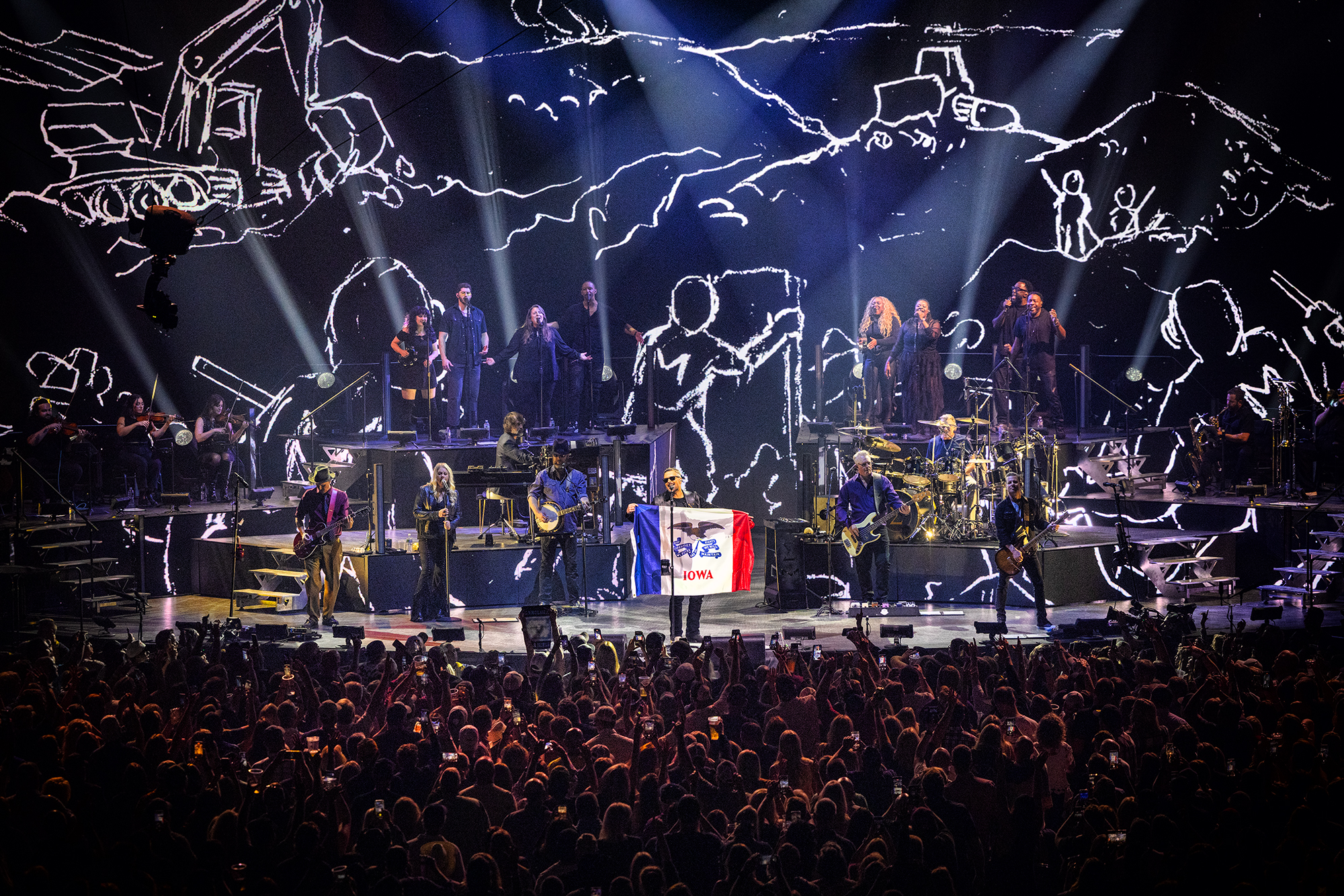
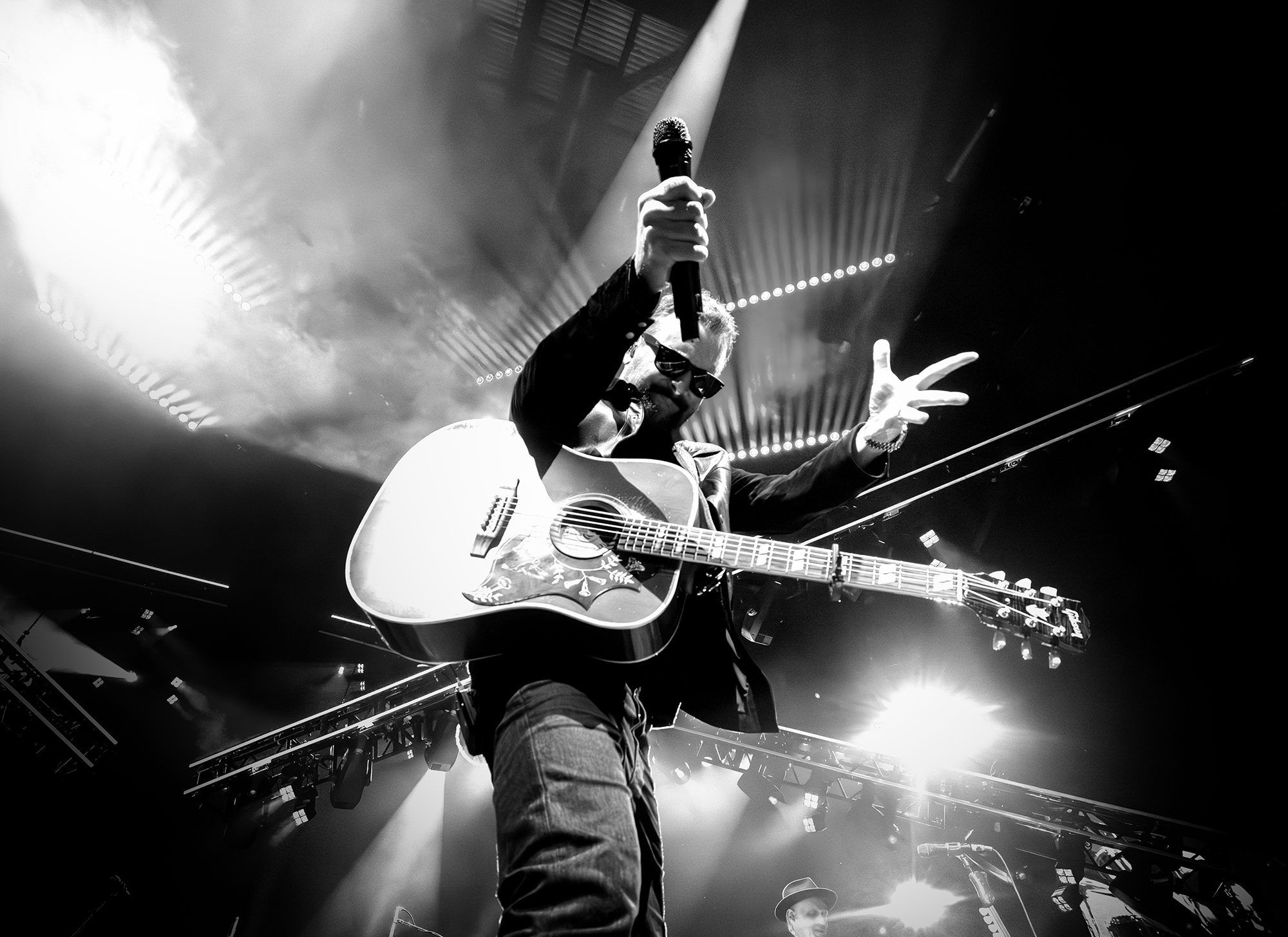
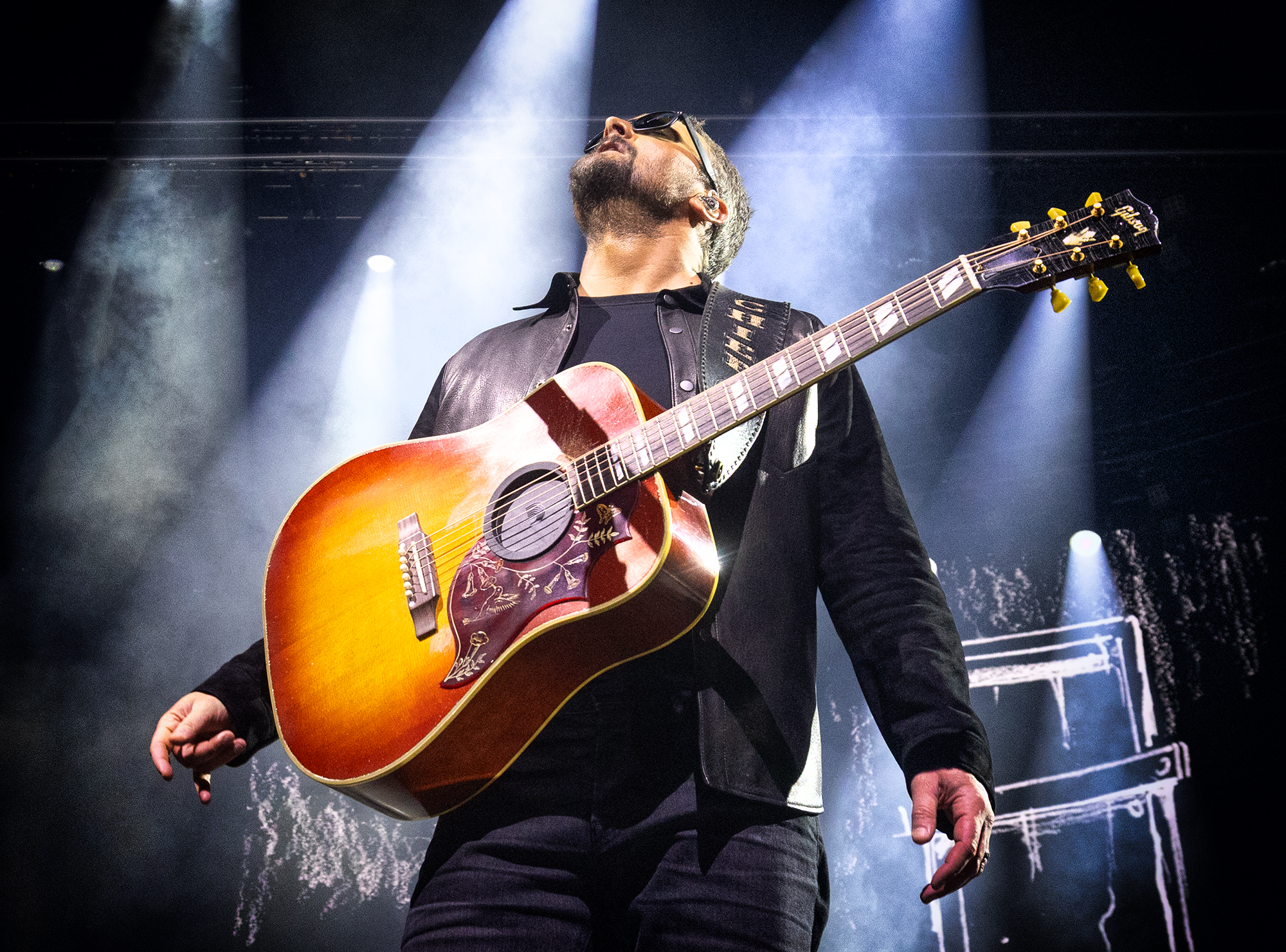
DES MOINES—Eric Church did a show on Saturday night.
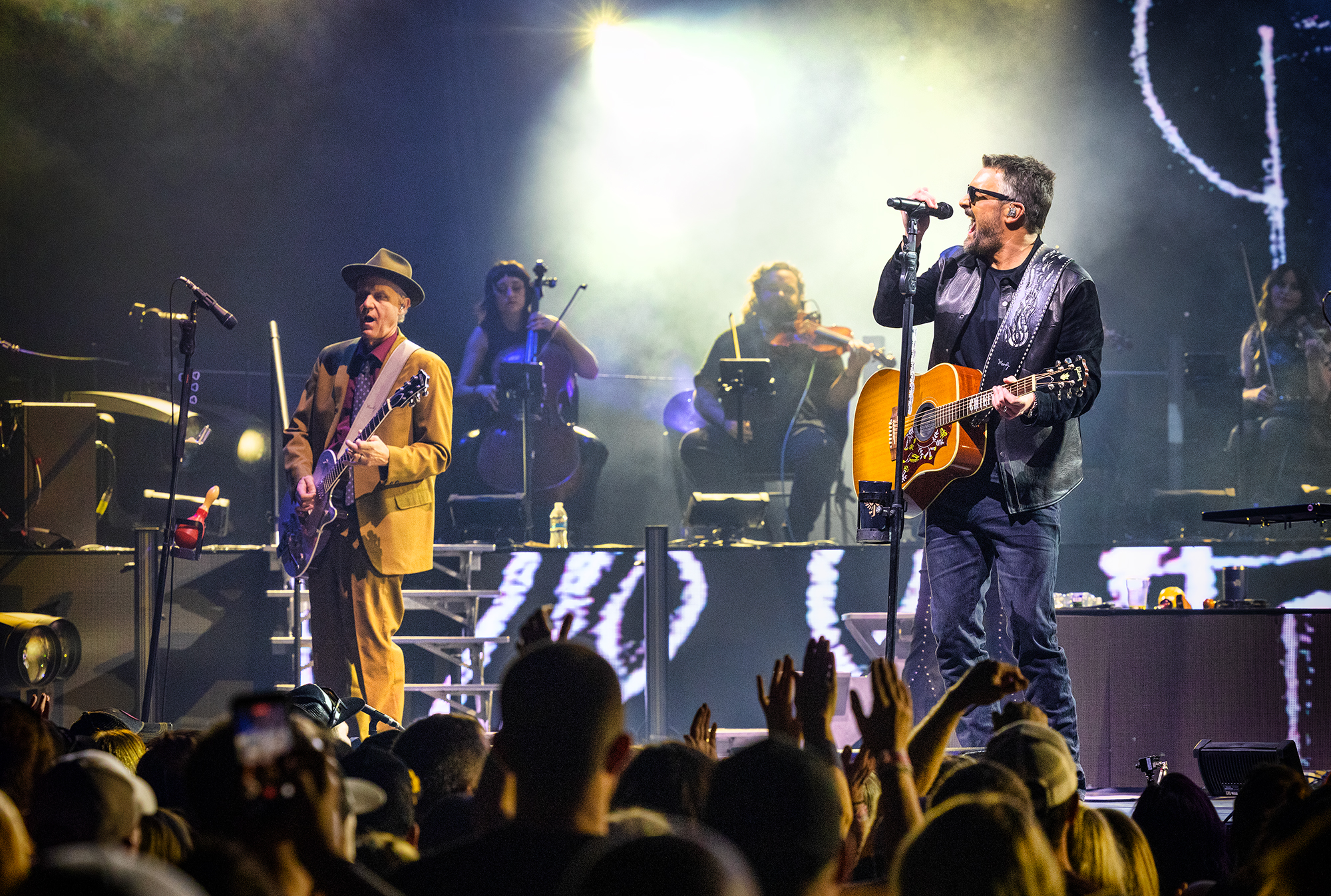
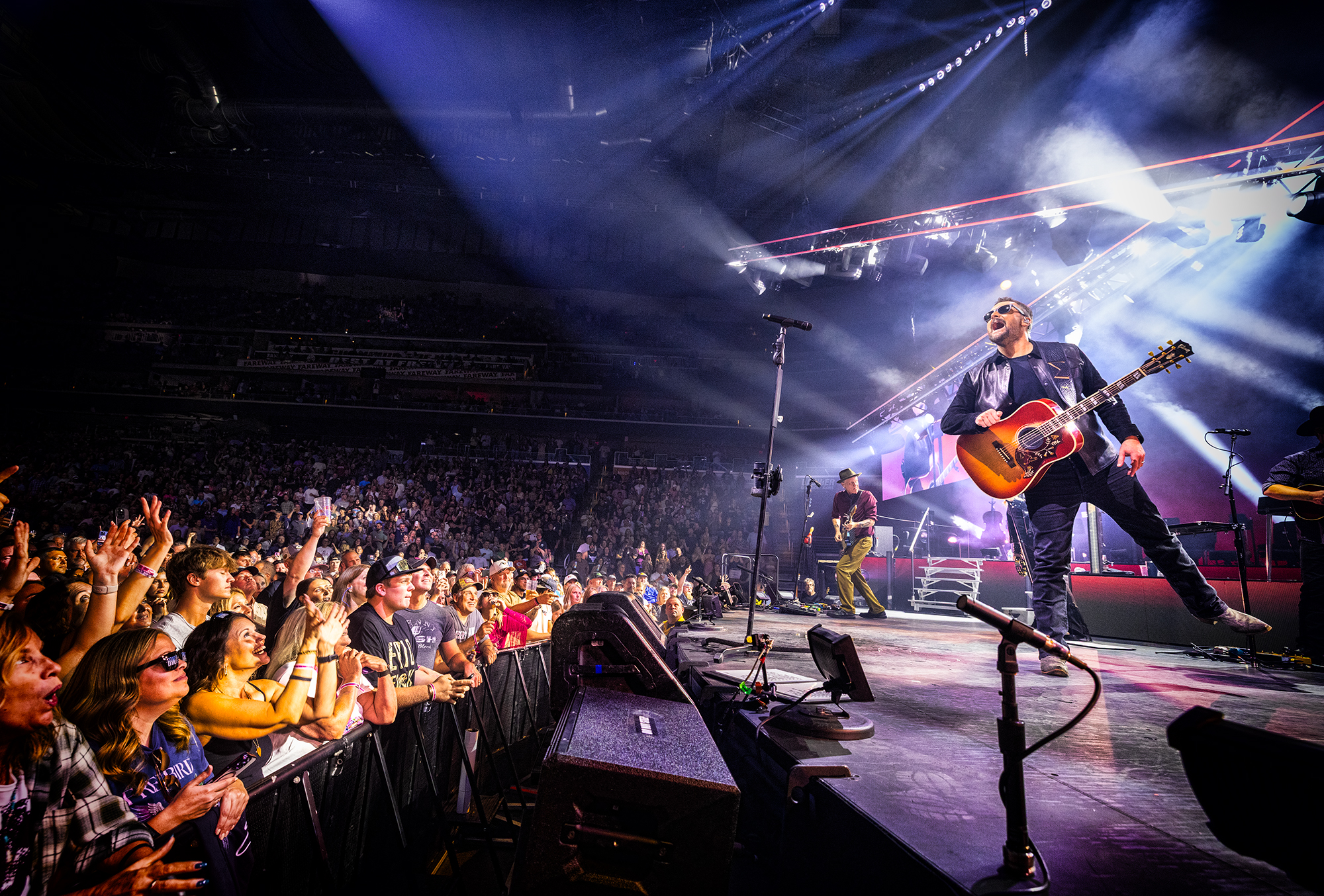
That’s not surprising. It’s what he does. There’s no way you can watch a moment of the Free the Machine tour and not instantly recognize that this is what he was meant to do.
He plays and he sings and he entertains. When you see it live it’s impossible to imagine him doing anything else.
The performance and the songs connect with people. Up in the top row of section 320 in Des Moines was a longtime Church fan who had “Give Me Back My Hometown” tattooed on his arm. Maybe this sounds crazy to you or maybe it sounds perfectly normal. But this is a fact: it is a rare day on the Free the Machine tour when you do not run into someone who has a Church-related tattoo. He means that much to people.
That’s true whether they are older, younger, or maybe even nine years old. That was Gray’s age, a young Church fan who was in the front row on Saturday night and held up a sign that grabbed his attention.
“This, ladies and gentlemen, is what it’s about,” he said from the stage.
Maybe it is. But I would argue that it is about more than that, and Church proves it every single day with his actions.
Saturday marked 365 days since Hurricane Helene devastated areas of his home state that Church considers sacred. He immediately became involved with relief efforts.
He’s given more time and money than anyone will ever realize. But he also did something virtually no one ever does: he made a long-term plan for how to keep being involved long after most of America had turned its attention to other causes.
He handed over the royalties to “Darkest Hour” to relief efforts, so the song continues to produce assistance in perpetuity (it’s worth remembering here that “Darkest Hour” has become one of the highlights of the Evangeline vs. The Machine portion of the tour set; the dynamic back and forth between Church and Joanna Cotten energizes the crowd). But he wanted to do more.
The Concert for Carolina last fall raised nearly $25 million for relief efforts. OK, now you’ve hosted one of the best nights in the state of North Carolina’s musical history. That’s plenty, Eric.
He couldn’t stop. Church and Chief Cares bought $850,000 worth of land in Avery County, and the first families are about to move in to a development that will contain approximately four dozen homes.
He didn’t just send cash or water bottles. He changed the entire course of numerous lives and the fabric of entire communities.
He did that because of music. He did it because he’s built a relationship with fans that makes them travel to Des Moines and sing every word and tattoo his words on their arms.
But…what do you do then? People save and plan and commit to spending time and hard-earned money to watch him play these unforgettable shows. Where does the money go once it leaves their wallets?
It goes to Avery County. It goes to people who lost everything they had other than the clothes they were wearing. For the last entire year, it has been on his mind every single day.
Putting on a tour is all-encompassing. It is physically and mentally tiring. It’s one thing to set the songs in August and play the same ones every night, but Church doesn’t tour that way. He still wants to randomly decide on Saturday night that he wants to play “Lynyrd Skynyrd Jones” for the first time on the tour. “There are a lot of artists who go through the motions,” he said on stage Saturday night. “And I’m not that artist.”
He’s touring and he’s writing at the same time that he’s also rebuilding. Touring: a full-time job. Rebuilding: a full-time job. There are professionals in both fields who would tell you that either one of those takes up so much time and energy there is no room for anything else.
He just happens to be someone whose life isn’t complete without both of them. There must be music in Eric Church’s life. And there must be home, and when the people at home are hurting, he feels an obligation to help.
So maybe—despite all evidence to the contrary on Saturday night, when people were walking out of the pit wiping tears out of their eyes following the emotional close of “Through My Ray-Bans”—he wasn’t born just to do these shows. Maybe the same person who is one of the very rare people who can captivate an entire arena for over two hours is actually one of the exceedingly few individuals who was meant to do even more than that.
“Ask any songwriter. Any artist,” he said Saturday, on the anniversary of his beloved western North Carolina being ripped apart. “What do you want to do with your music? Most every answer will be some version of make a difference. I believe we are doing that in western North Carolina. It’s taken a village and the hand of God. And it’s the most rewarding thing I’ve ever done. Music is the reason that we were in the right spot at a devastating time. I’m humbled by that.”